Brands Learned to Speak Fluent Internet. Now Nobody Can Shut Them Up.
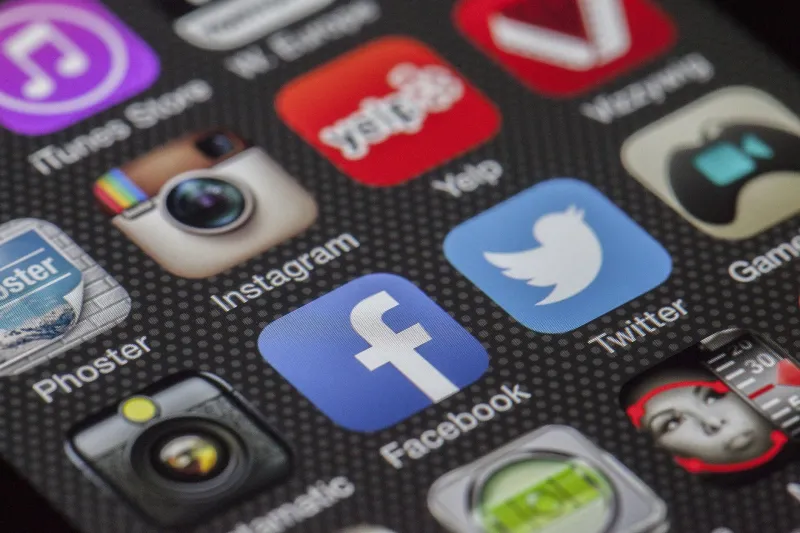
There's a specific kind of exhaustion that sets in when you open Twitter and the first three posts in your feed are from a fast food chain, a streaming service, and a bank — and all three are trying to make you laugh. Not sell you something. Not inform you. Just vibe with you. Just hang out. Just be, you know, one of the guys.
This is where we've landed. And it's worth asking how we got here, and more importantly, what it's costing us.
The Playbook Nobody Admits Exists
It didn't happen overnight. The brand-with-a-personality era has a pretty traceable origin story, and most digital culture historians point to Wendy's Twitter account circa 2017 as the moment the floodgates opened. The fast food chain started clapping back at customers, dunking on McDonald's, and generally acting like a snarky college sophomore who'd just discovered Reddit. People loved it. It went viral. Marketing teams across the country watched the engagement metrics and collectively lost their minds.
What followed was predictable: a gold rush. Suddenly every brand needed a "voice." Not a mission statement, not a tagline — a personality. Someone who could slide into trending conversations, drop a self-aware joke about their own product, and maybe, just maybe, get quote-tweeted by someone with 200,000 followers.
The playbook, whether anyone admits it exists or not, looks something like this: hire a young social media manager (probably underpaid, definitely overworked), give them just enough creative freedom to feel empowered, tell them to "be authentic," and then have three layers of legal review every post before it goes live. The tension in that process alone explains why so many of these attempts feel like watching someone try to laugh naturally while being filmed.
When It Works, It Really Works
To be fair, sometimes the strategy lands. Duolingo's unhinged owl character on TikTok and Twitter built a genuinely devoted following by committing fully to the bit — the brand leaned into absurdist humor so hard that people actually started rooting for an app about language learning. MoonPie has maintained a delightfully weird Twitter presence for years. Even the New Jersey Department of Transportation has had its moments.
When it works, it works because the weirdness feels proportionate. The brand isn't trying to insert itself into a national tragedy or hijack a social movement — it's just being genuinely odd in a low-stakes context. There's a difference between a snack brand making a surrealist joke about their own irrelevance and a financial institution posting "we see you, it's been a tough week 💙" during a news cycle about a mass shooting.
That difference matters enormously. And a lot of brands still haven't figured it out.
The Spectacular Backfire
For every Duolingo owl, there are a dozen brands that walked straight into a PR disaster by trying to be relatable at exactly the wrong moment. Remember when DiGiorno Pizza jumped into a hashtag about domestic violence survivors because they didn't read past the trending phrase? Or when brands lined up to post Martin Luther King Jr. quotes on MLK Day while simultaneously lobbying against labor protections? Twitter users — who have an almost preternatural ability to sniff out insincerity — don't forget these moments. They screenshot them. They ratio them. They turn them into memes that outlast the original campaign by years.
The internet has a long memory and a very low tolerance for performed humanity. When a corporation tries to express grief, solidarity, or genuine cultural awareness, the audience often senses the machinery behind it. You can feel the committee meeting. You can almost see the slide deck titled "Leveraging Cultural Moments for Brand Authenticity."
What This Says About All of Us
Here's the uncomfortable part. Brands didn't invent this dynamic out of nowhere — they responded to incentives that we created. We rewarded Wendy's for being mean online. We shared the posts. We followed the accounts. We made it profitable to perform personality.
In some ways, the brand-voice industrial complex is just a mirror held up to platform culture itself. Twitter rewards snark, brevity, and in-group recognition. It punishes sincerity (unless it's performed sincerity, which is a whole other can of worms). Brands simply learned to speak the native language of the platform — and now they speak it constantly, fluently, and without any of the actual human stakes that made that language interesting in the first place.
When authenticity becomes a tactic, it stops being authenticity. And when every voice in the room is trying to sound like your friend, the whole concept of friendship starts to feel a little cheaper.
The Users Who See Through It
The saving grace, if there is one, is that Twitter users are remarkably good at puncturing the illusion. The ratio is a powerful equalizer. A brand that misjudges the room gets flattened publicly and immediately. There's an entire cottage industry of accounts dedicated to screenshotting and mocking brand behavior — and that accountability, chaotic as it is, does something important. It keeps the performance honest, or at least keeps it from getting too comfortable.
Some users have even started openly mourning the loss of corporate blandness. "Give me the old boring press releases," one viral tweet read last year. "At least they didn't pretend to be my friend." It got 80,000 likes. Make of that what you will.
The discourse industrial complex is probably not going anywhere. As long as engagement metrics exist and marketing budgets follow them, brands will keep showing up in your mentions with a joke and a carefully curated voice. The best we can do is stay fluent in the difference between a company that's actually interesting and one that's just very, very good at pretending to be.