The Silent Majority Is Watching: A Love Letter to Twitter's Lurkers
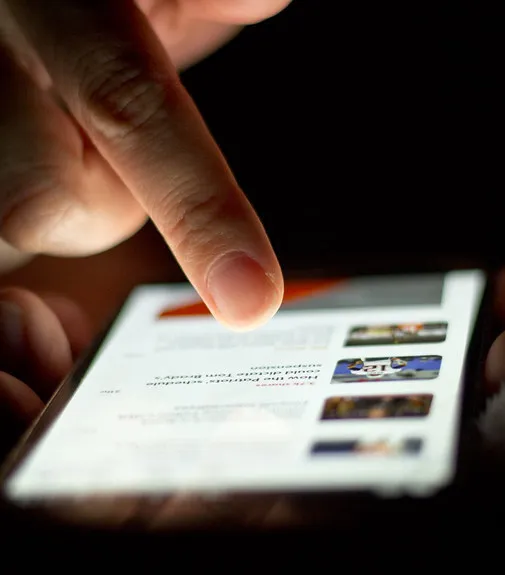
Photo: Japanexperterna.se, CC BY-SA 2.0, via Wikimedia Commons
There's a number that should change how you think about Twitter, and almost nobody talks about it. Depending on which study you trust, somewhere around 90% of accounts on the platform produce almost nothing. No hot takes. No dunk quotes. No 'this you?' receipts. They just... read.
The lurkers. The people scrolling at red lights (please stop), in the dentist's waiting room, at 1 a.m. when they should be asleep. They see everything and say nothing, and without them, the whole operation collapses.
The Audience Nobody Writes For
Here's the strange part: the loudest users on Twitter are performing for an audience they constantly pretend doesn't exist. Every viral tweet, every thread that 'needs to be shared,' every quote-tweet pile-on — all of it is measured in impressions, which is just a polite word for lurkers. The person with 12 tweets a day and 200 followers isn't talking to their mutuals. They're talking to the thousands of silent readers who will never reply.
And yet the culture treats lurking like a failure state. You're supposed to have a 'personal brand.' You're supposed to 'engage.' The whole platform is engineered to convert readers into posters, because a reader doesn't generate data, doesn't generate drama, doesn't generate anything the metrics can chew on.
But lurking is not passivity. It's a choice.
The Most Honest People on the Platform
Think about who lurks. It's the nurse checking the site during a night shift to see what's happening in the world. The dad who made an account in 2016 to follow local news and never figured out the rest. The teenager who knows exactly which account will have the correct information during a disaster but wouldn't dream of adding to the noise.
These users have figured out something the rest of the timeline refuses to admit: posting is optional. The value of Twitter was never in broadcasting — it was in knowing. And knowing doesn't require a microphone.
There's also a purity to it. The lurker has no engagement to farm, no brand to protect, no ratio to fear. They can read a take and simply... move on. No reply guy energy, no dogpiling, no 'well, actually.' If the poster is the platform's nervous system, the lurker is its conscience — quiet, observant, and impossible to embarrass.
What the Lurker Sees That You Don't
Spend enough time only reading and you start to notice patterns the posters miss. You see how the same arguments recycle every few months with new usernames. You watch a narrative form in real time and then get treated as settled fact two hours later. You notice that the person being destroyed in the quote-tweets often said something far more reasonable than the screenshot suggests.
Lurkers develop what you might call timeline literacy. They're not emotionally invested in any single fight, so they can see the shape of the whole thing — the arc from outrage to pile-on to quiet deletion. Posters are too close to the fire. Lurkers are watching from the parking lot, and the view is better.
The Economy Runs on Them Anyway
Every 'Twitter is dying' hot take, every media story about what 'the internet' thinks, every brand trying to sound relatable — all of it is aimed at people who will never respond. Advertisers pay for eyeballs, and the eyeballs overwhelmingly belong to people who never type a word. The lurker is the customer, the audience, and the product, all at once, and gets none of the credit.
In Praise of Saying Nothing
There's a version of this piece that treats lurking as a symptom of something wrong — social anxiety, fear of the mob, learned silence. Some of that's probably true. But there's another reading: in an economy that demands everyone have an opinion on everything within minutes, choosing to simply watch is almost radical.
The lurker isn't failing at Twitter. The lurker might be the only one doing it right.
So the next time you see a take with 80,000 likes and a quote-tweet section that looks like a car crash, remember: most of the people who saw it did nothing. They read it, formed a thought, and went on with their day. They didn't need you to know. That was always the point.