Nobody in Particular: The Art and Anxiety of the Subtweet
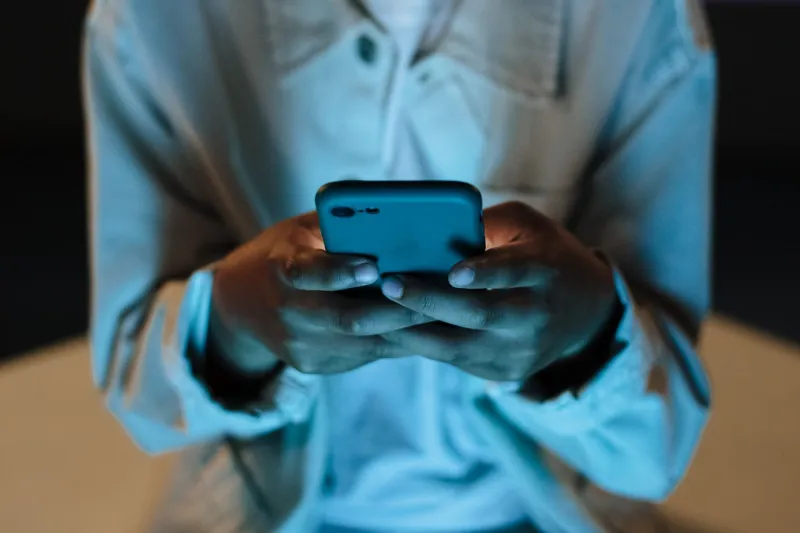
There's a very specific kind of tweet you've definitely seen before. Maybe you've written one. It says something like "some people really need to learn how to stay in their lane" or "it's wild how certain folks can dish it out but can't take it." No names. No tags. No receipts. Just a perfectly aimed grenade with the pin pulled and the serial number filed off.
That's a subtweet. And despite everything — despite years of call-out culture, despite the ratio, despite the screenshot era where nothing stays private — it's still one of the most popular forms of communication on the platform. Which raises a genuinely interesting question: why do we keep doing this instead of just... saying the thing?
The Plausible Deniability Factory
The word "subtweet" technically means posting about someone without mentioning them. But in practice, it's so much more layered than that. A good subtweet is a precision instrument. It's specific enough that the target knows it's about them, vague enough that the poster can shrug and say "I wasn't talking about anyone in particular" if confronted. That gap — that deliberate, cultivated ambiguity — is where all the social power lives.
What makes it work is that everyone on Twitter has quietly become fluent in reading it. The timing matters. The phrasing matters. If someone you follow just had a public argument and then posts "it's giving cowardly" forty minutes later, you don't need a decoder ring. The subtweet operates on contextual inference, and we've all been trained by years of timeline exposure to pick up the signal through the noise.
That fluency is part of what makes subtweeting so persistent. It's not just a workaround for conflict — it's become its own dialect.
Why Not Just @ Them?
Here's the thing about direct confrontation on Twitter: it's a nightmare. The moment you tag someone, you've opened a portal. Their followers can pile in. The thread becomes a spectacle. Screenshots start circulating. What began as a personal grievance between two people becomes a public referendum, and suddenly you're managing not just a conflict but an audience.
Subtweeting sidesteps all of that — at least initially. You get to express the frustration, maybe even get some validation from your followers, without triggering the full machinery of Twitter drama. It's conflict expression without conflict escalation. Or at least, that's the idea.
There's also something deeply psychological happening here. Direct confrontation requires owning your anger. A subtweet lets you have it both ways: you voiced the thing, but you didn't really voice it. It's the digital equivalent of venting to a mutual friend and trusting it'll get back to the person. Except on Twitter, the "mutual friend" is your entire following, and the whole thing is indexed by Google.
The Social Stakes Are Higher Than They Look
For regular users, subtweeting is usually low-stakes drama. For people with larger platforms — creators, journalists, minor celebrities, anyone with a few thousand followers — it's a whole different game. A subtweet from someone with reach can quietly tank someone's reputation without ever giving them a formal target to defend against. It's a one-sided trial where the defendant doesn't know the charges.
That's where the practice gets genuinely uncomfortable. Because while the subtweet feels like the safer, more civilized alternative to direct confrontation, it also denies the target any real ability to respond. You can't defend yourself against an accusation that technically doesn't name you. If you respond, you've just confirmed you knew it was about you — which, in the weird logic of Twitter, often reads as guilt. If you don't respond, the tweet just sits there, doing its quiet damage.
This is the part that rarely gets acknowledged in the "subtweeting is just venting" defense. The ambiguity that protects the poster is exactly the same ambiguity that traps the target.
When the Subtweet Becomes a Whole Genre
Over time, subtweeting has evolved beyond individual beef into something almost performative. Some accounts have built entire aesthetics around it. The vague-posting, the ominous one-liners, the "anyway" tweet that follows a conspicuous silence — these have become recognizable moves, almost theatrical in their delivery.
There's even a meta-layer now where people subtweet about subtweeting. Tweets like "if you're vague-posting about me just say my name coward" are themselves a form of subtweet — calling out a behavior without confirming which specific instance you mean. The genre has eaten itself and somehow gotten more popular because of it.
Part of this is just how internet culture works. Behaviors that start as workarounds become conventions, then aesthetics, then identity markers. Subtweeting isn't just conflict avoidance anymore — for some corners of Twitter, it's a personality.
The Real Reason We Can't Stop
Strip away the social dynamics and the platform mechanics, and what you're left with is something pretty human. People want to be heard without being vulnerable. They want to express frustration without fully owning it. They want the satisfaction of the statement without the risk of the confrontation.
Twitter didn't invent that impulse — it just gave it a venue and an audience. Before the subtweet, there was the passive-aggressive Facebook status. Before that, the pointed away message on AIM. The technology changes; the need to say the unsayable thing while technically not saying it apparently does not.
What Twitter did do is sharpen it. The public nature of the platform, the follower dynamics, the quote-tweet ecosystem — all of it turned a basic human behavior into something with real social weight and real consequences. A subtweet isn't just a diary entry or a venting session anymore. It's a broadcast.
And that's the subtweet's real dilemma — not just for the people who write them, but for everyone watching. We've built a communication style specifically designed to be understood while being deniable, and we've gotten so good at it that nobody's actually fooled. We all know what it means. We just pretend we don't. Which, honestly, sounds a lot like the subtweet itself.