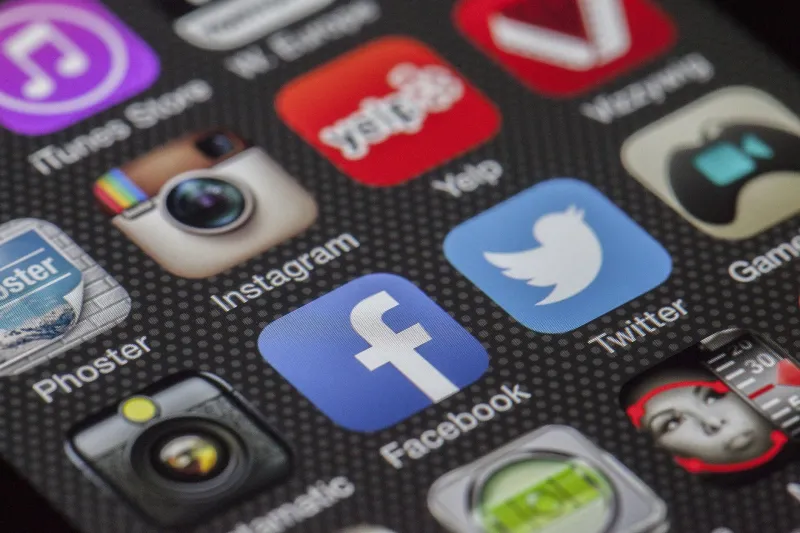
Pay to Pretend: How Twitter's Blue Check Became the Internet's Most Dangerous Costume
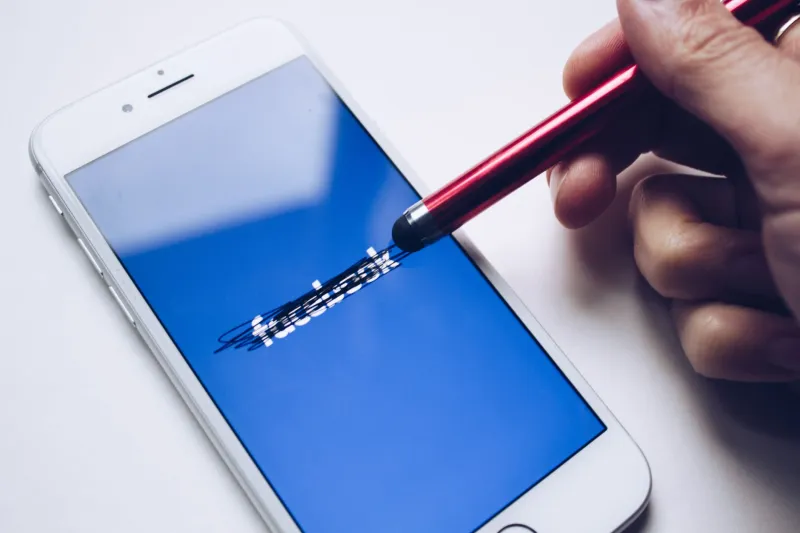
Picture this: it's November 2022, and a verified Twitter account bearing the name and logo of Eli Lilly — one of the largest pharmaceutical companies in the United States — tweets that insulin is now free. The stock drops. The company scrambles. The tweet was, of course, fake. It came from a newly purchased $8-per-month verified account, dressed up with a blue checkmark that, until about 48 hours earlier, had meant something real.
That single moment — more than any press release, think piece, or tech pundit's hot take — illustrated exactly what was at stake when Musk decided to turn Twitter's verification system into a subscription perk. The blue check didn't just lose its meaning. It became a weapon.
What the Blue Check Used to Mean
For most of Twitter's existence, that little blue badge next to an account name was the platform's handshake with reality. It was Twitter's way of saying: yes, this is actually that person, that brand, that newsroom. The verification process wasn't glamorous — it involved submitting documentation, waiting, and sometimes waiting some more — but it worked. Not perfectly, but well enough.
Americans navigating a fractured media environment had quietly come to rely on it. When breaking news hit, you checked for the blue badge before you retweeted. When a public figure said something controversial, the checkmark told you the words were actually theirs. When a brand account responded to your complaint, the verification told you you weren't talking to a scammer.
It wasn't a perfect system. Plenty of verified accounts spread misinformation. But the badge at least answered one basic question: is this who they say they are? That's a lower bar than we often give it credit for, and it's a bar that turned out to be load-bearing.
The $8 Demolition Job
When Musk announced Twitter Blue — later folded into X Premium — and attached the blue checkmark to it as a subscriber perk, the response from longtime users was immediate and visceral. Not just because of the optics of selling a trust signal, but because anyone who'd spent time online could immediately see the exploit.
If anyone with eight bucks and a plausible-sounding username can get a blue check, then the blue check tells you nothing. Worse than nothing, actually — because the appearance of legitimacy is more dangerous than obvious fakery. A clearly fake account is easy to dismiss. A fake account dressed in the visual language of credibility is a different problem entirely.
The Eli Lilly incident wasn't a glitch. It was the system working exactly as its new design allowed. Within days of the paid verification rollout, impersonators flooded the platform. Fake verified accounts appeared for Nintendo, former President George W. Bush, pharmaceutical giants, and dozens of other high-profile targets. The pile-on was so fast and so chaotic that Twitter briefly paused the program.
But the damage — to the concept of verification itself — was already done.
The Anatomy of a Trust Collapse
What's interesting, from a digital culture standpoint, is how quickly users adapted their behavior. The blue check went from a trust signal to a suspicion trigger almost overnight. Accounts with the badge started getting scrutinized more heavily, not less. "Is this real or is this a paid check?" became a standard first question when an unfamiliar verified account said something newsworthy.
That's a complete inversion of the feature's intended function. And it reveals something important about how trust infrastructure works online — or rather, how it fails.
Trust systems are only as strong as their scarcity and consistency. The moment verification became available to anyone willing to pay, it stopped functioning as verification. It became decoration. And decoration that mimics a safety signal is actively harmful, because it trains people to either over-trust or under-trust everything — neither of which is good for a platform trying to be a reliable space for public discourse.
Journalists, in particular, felt the whiplash. Many prominent reporters and news organizations who had relied on their checkmarks as a form of professional credibility found themselves lumped in with paid subscribers of unknown credibility. Some dropped their subscriptions in protest. Others kept them, caught between principle and practicality.
The Fraud Ecosystem That Grew in the Wreckage
Beyond the high-profile impersonation stunts, a quieter but more insidious fraud ecosystem took root. Scammers figured out early that a paid blue check was an incredibly cost-effective tool. For eight dollars a month, you could impersonate a crypto project, a financial advisor, a government agency, or a local business — and reach people who had been conditioned to trust the badge.
The FTC and various consumer protection advocates started flagging the problem. Class action lawyers started circling. But the platform's reduced trust-and-safety team — gutted in the post-acquisition layoffs — struggled to keep up with the volume of abuse.
And here's the part that extends well beyond X: other platforms were watching. Meta, Snapchat, YouTube, and LinkedIn all operate some form of verification system. The Twitter/X situation became a live case study in what happens when you monetize authentication. The lesson wasn't subtle.
What Comes After Verification?
So where does this leave us? On X, the platform has attempted various patches — adding "Official" labels for certain accounts, tweaking the badge design, adjusting subscriber tiers. None of it has fully restored the original trust signal. The toothpaste is out of the tube.
More broadly, the blue check collapse has accelerated conversations about what online verification should actually look like in 2024 and beyond. Some researchers advocate for government-backed digital identity systems — a controversial idea in a country with deep skepticism about federal data collection. Others point to decentralized identity solutions built on blockchain infrastructure. Bluesky has experimented with domain-based verification, letting users link their accounts to websites they control, which is clunky but at least cryptographically honest about what it's doing.
None of these solutions are clean. None of them have the simplicity of a little blue badge that once meant "yes, this is real."
The deeper issue is that we built a significant chunk of our public information infrastructure on top of a private platform's internal credentialing system — and then watched that system get sold for parts. That's not just a Twitter problem. It's a reminder of how fragile the trust layer of the internet actually is, and how much we took it for granted.
The blue check is still there on X. Millions of people still have one. But it no longer answers the question it was designed to answer. And in a media environment already struggling with misinformation, losing even one reliable signal — however imperfect — is a cost we're still calculating.